



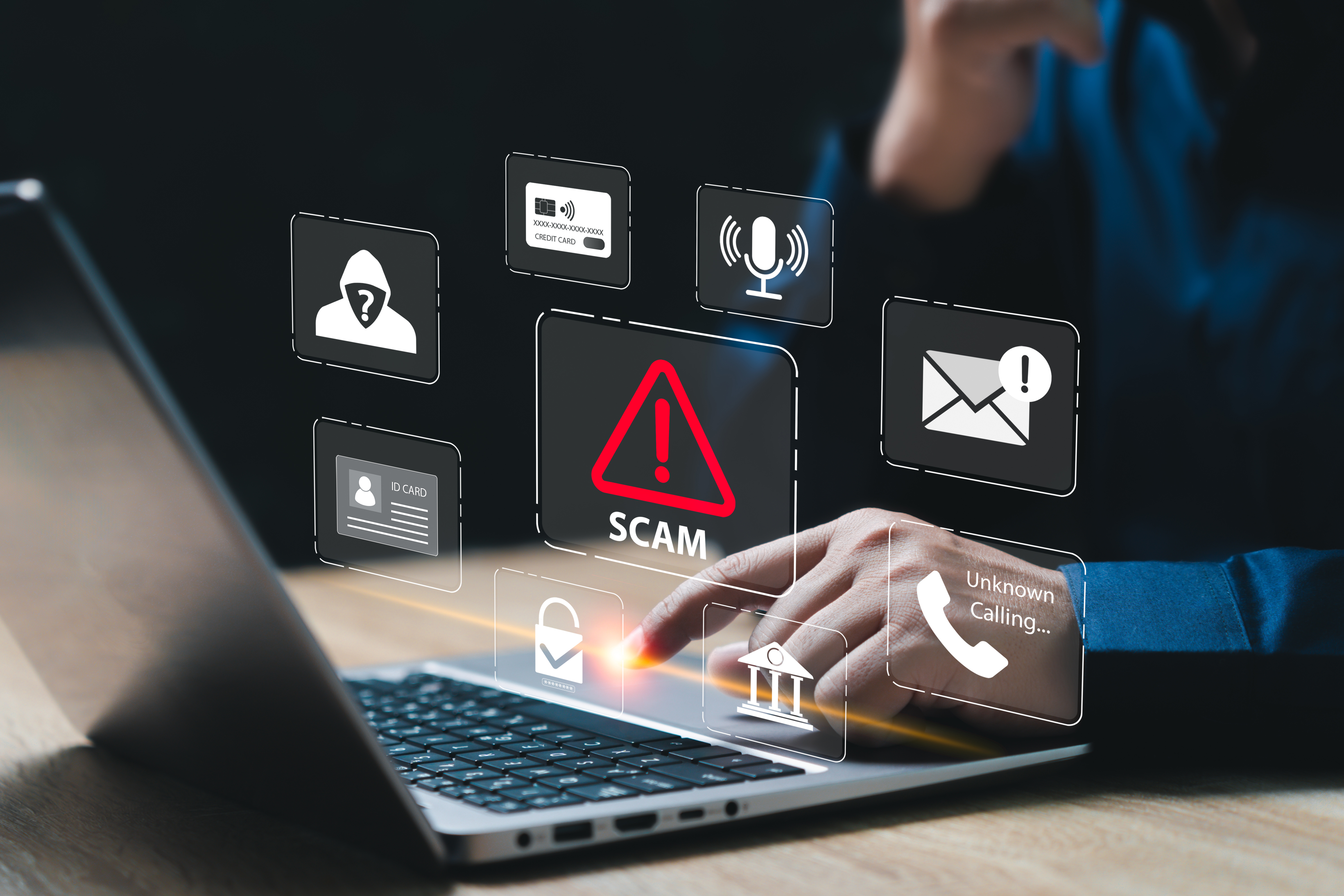
September often brings a change of pace. Kids head back to school, schedules get busier, football season kicks off, packages arrive more frequently, and many of us start looking ahead to fall activities and the holidays.
Unfortunately, scammers pay attention to these changes too.
Fraud attempts are often most convincing when they look like something you were already expecting. A package delivery text can seem legitimate when you are waiting for an order. A fake ticket offer may catch your attention during football season. A message about suspicious card activity can feel urgent enough to make you respond without thinking.
That is exactly what scammers are counting on.
Why Change Creates Opportunities for Scammers
Scammers often use timing to make their messages seem believable. They may impersonate businesses, financial institutions, government agencies, schools, delivery companies, or even people you know.
The message itself may not be especially sophisticated. It just needs to reach you at the right moment.
For example, you might receive:
- A text claiming a package could not be delivered and asking you to click a link.
- An email that looks like an order confirmation for something you never purchased.
- A message saying there is suspicious activity on your debit or credit card.
- A social media advertisement offering discounted football tickets or merchandise.
- A request that appears to come from a school, fundraiser, or organization.
- A message asking you to verify an account or provide a security code.
When something lines up with what is already happening in your life, it can be easier to trust it without taking a closer look.
Fall Scams to Keep on Your Radar
While scams can happen at any time of year, certain types may become more common as routines and spending habits change.
Package and Delivery Scams
Fake delivery texts and emails often claim that a package is delayed, an address needs to be updated, or a small fee must be paid before delivery can be completed.
Instead of clicking a link in the message, go directly to the retailer or delivery company's official website or app to check your order.
Back-to-School Scams
The beginning of the school year can bring increased activity around tuition, school supplies, fundraising, scholarships, student loans, and extracurricular activities.
Be cautious of unexpected requests for payment or personal information, especially if they create a sense of urgency. If you are unsure whether a request is legitimate, contact the school or organization directly using contact information you already trust.
Football, Ticket and Event Scams
Fall means football games, concerts, festivals, and other events. Scammers may create fake ticket listings, counterfeit merchandise websites, or fraudulent contests and giveaways.
Be especially cautious when purchasing from unfamiliar websites or individuals on social media. An offer that seems unusually inexpensive or pressures you to pay quickly may be a warning sign.
Online Shopping Scams
As fall shopping and early holiday shopping increase, so do opportunities for fraudulent websites and advertisements.
Before purchasing from an unfamiliar retailer, check the website carefully. Look for misspellings, unusual web addresses, limited contact information, reviews from another source outside the retailer, or deals that seem too good to be true.
New Technology Can Mean New Scam Tactics
Technology continues to make banking and everyday life more convenient. Security codes, transaction alerts, fraud notifications, password reset emails, and app notifications are now common parts of our digital routines.
Scammers know that too.
A fraudulent text or email may be designed to look very similar to a legitimate security message. It may tell you there is a problem with your account and ask you to click a link, call a number, or provide a verification code.
One important rule to remember: Never provide a verification code to someone who contacts you asking for it.
If you receive an unexpected message about your FinancialEdge account, do not rely solely on the contact information included in that message. Instead, contact FinancialEdge directly using a phone number, website, or other method you already know is legitimate.
Pause. Look. Verify. Protect.
One of the best tools you have against fraud is simply slowing down.
Before responding to an unexpected call, text, email, or clicking on a link, remember these four steps:
Pause.
Do not allow urgency or fear to pressure you into acting immediately.
Look.
Check the sender's email address, phone number, spelling, links, and the type of information being requested.
Verify.
Contact the organization independently using a trusted website, phone number, or app to verify the request.
Protect.
Never provide passwords, PINs, online banking credentials, full card information, or verification codes to someone who unexpectedly contacts you.
Taking an extra minute to verify a message could help prevent a costly mistake.
Fraud Alerts Are There to Help
FinancialEdge uses fraud alerts to help members identify potentially suspicious card activity as quickly as possible.
Depending the contact information associated with your account, you may receive fraud notifications by text or phone.
That makes it especially important to keep your contact information up to date. If your mobile phone number, email address, or other information has changed, make sure FinancialEdge has your current contact information so important account notifications can reach you.
At the same time, continue to be cautious with unexpected messages. A text or call claiming to be from FinancialEdge should never be treated as legitimate simply because it uses our name. Fraudsters can make it look like a phone call is coming from us and claim to be a FinancialEdge employee, but they are not. When in doubt hang up, and call us directly (make sure to type in our phone number and not click on the call you recently got in your call record).
When Something Doesn't Feel Right, Ask
You do not have to figure out every suspicious message on your own.
If you receive a call, text, email, or online request involving your FinancialEdge account and something does not seem right, contact us directly before responding or providing information.
You can also visit our Fraud & Scams page to learn more about common scams, warning signs to watch for, and what to do if you believe you have been targeted.
Fraud tactics will continue to change, but many of the warning signs stay the same. Unexpected requests, urgent language, unusual payment methods, suspicious links, and requests for sensitive information should always make you stop and take a closer look.
As your routine changes this fall, make fraud awareness part of your new routine too.
« Return to "Blogs"
 Share on Facebook: Scammers Love Change: How to Stay One Step Ahead of Fraud
  Share on Twitter: Scammers Love Change: How to Stay One Step Ahead of Fraud